New Generation eSIM-based Asan Imza showcased as a leading innovation at BOE Asia 2025
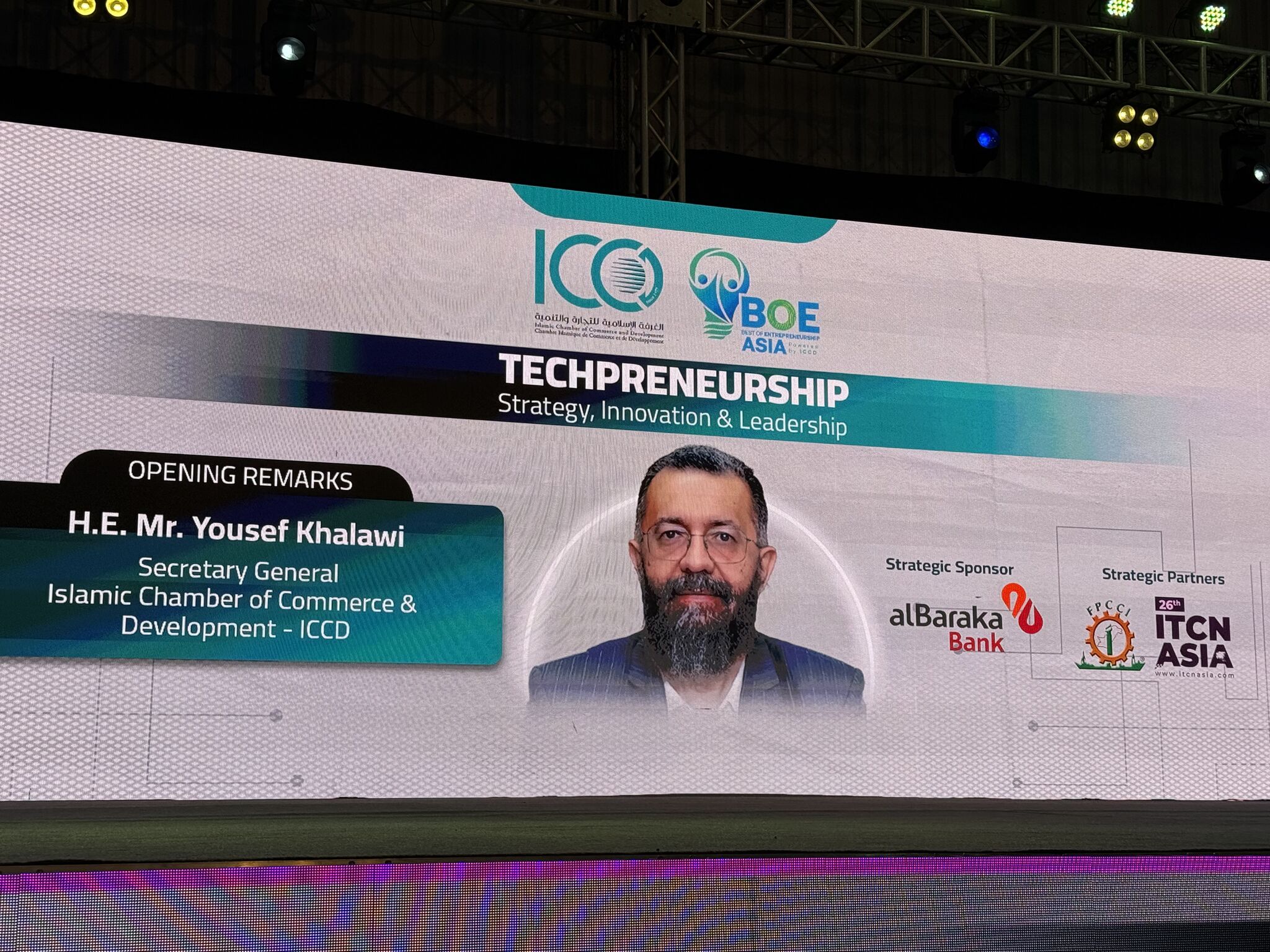
The 26th ITCN Asia International Conference and Exhibition commenced on September 24–26, 2025, in Karachi, Pakistan. This year’s main topics centered on digital transformation, innovation in fintech, cybersecurity, and the future of connected ecosystems. The event brought together global technology leaders, government officials, and business innovators to shape strategies for advancing inclusive and sustainable digital economies.
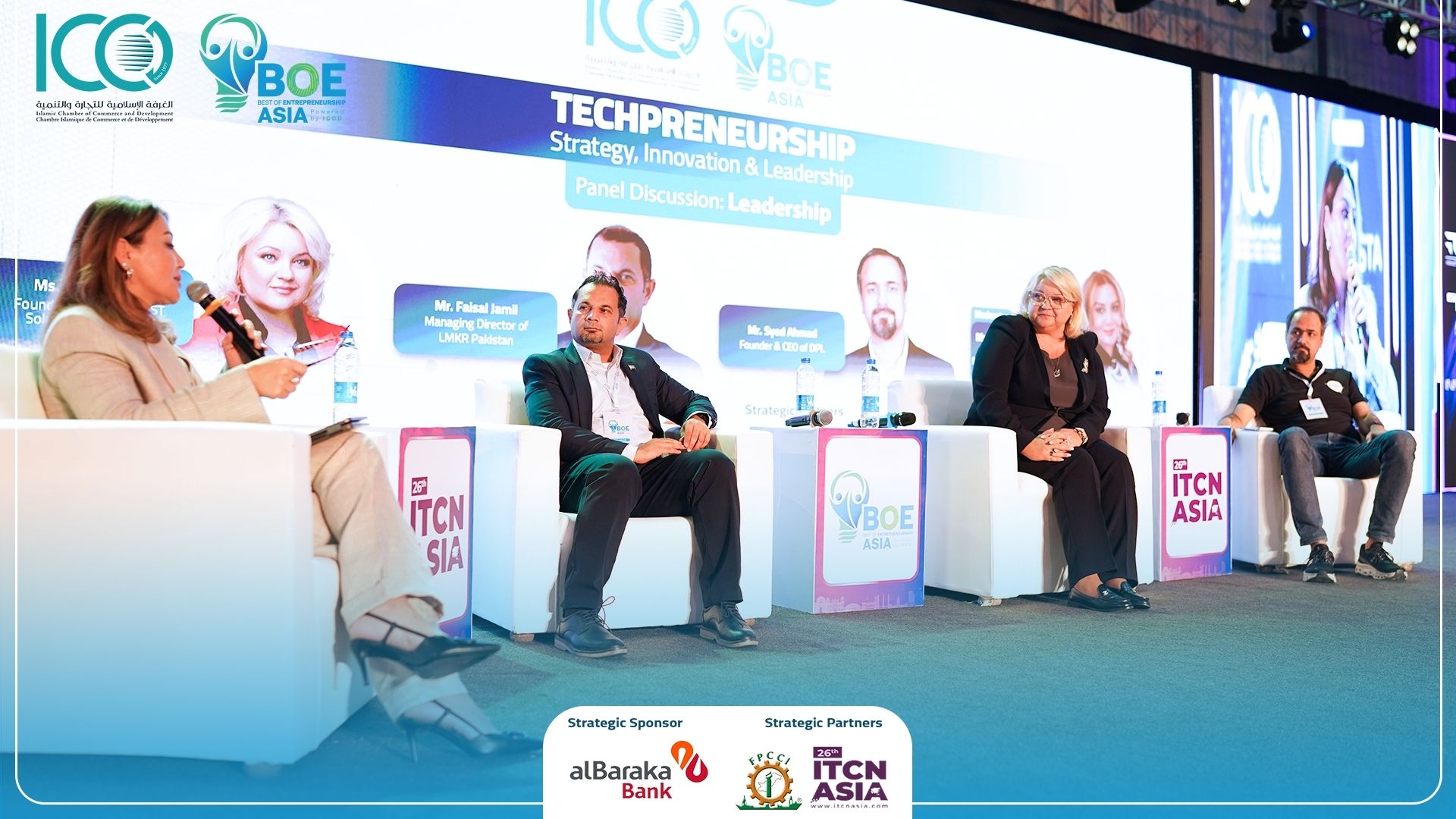
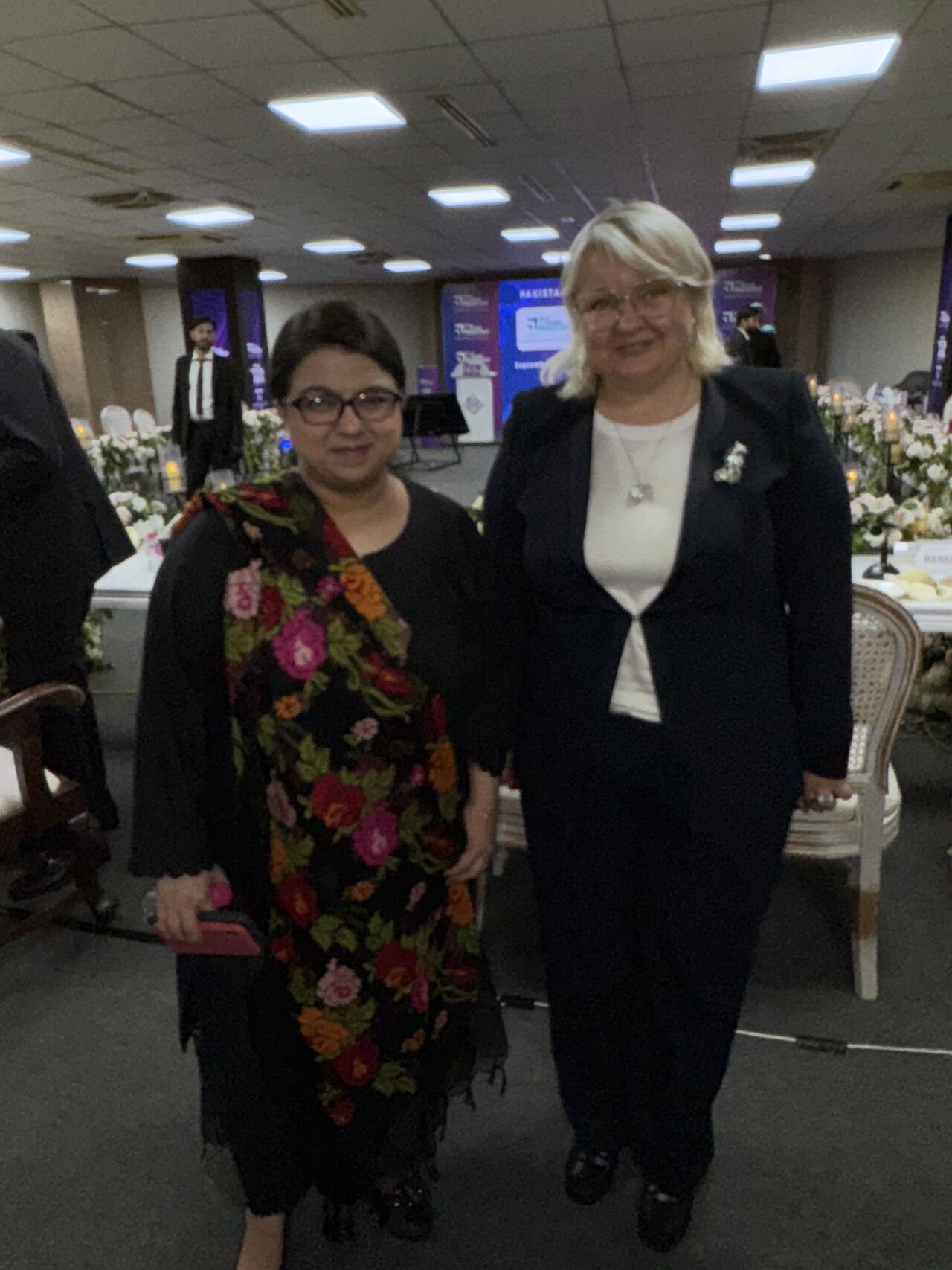
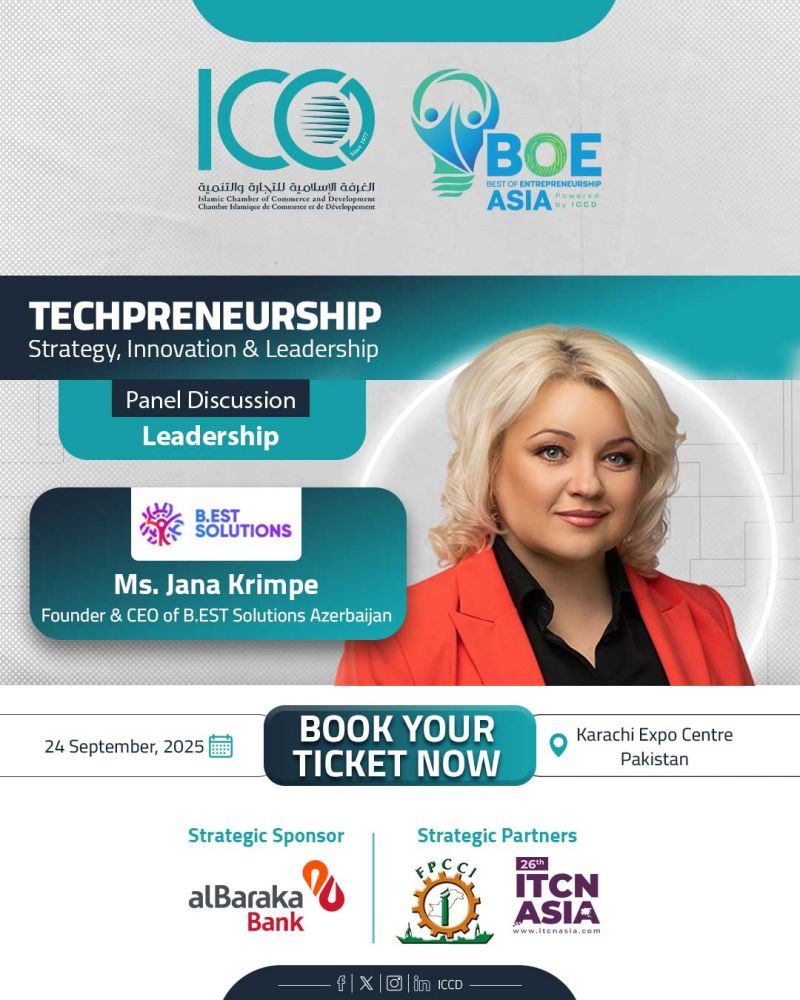
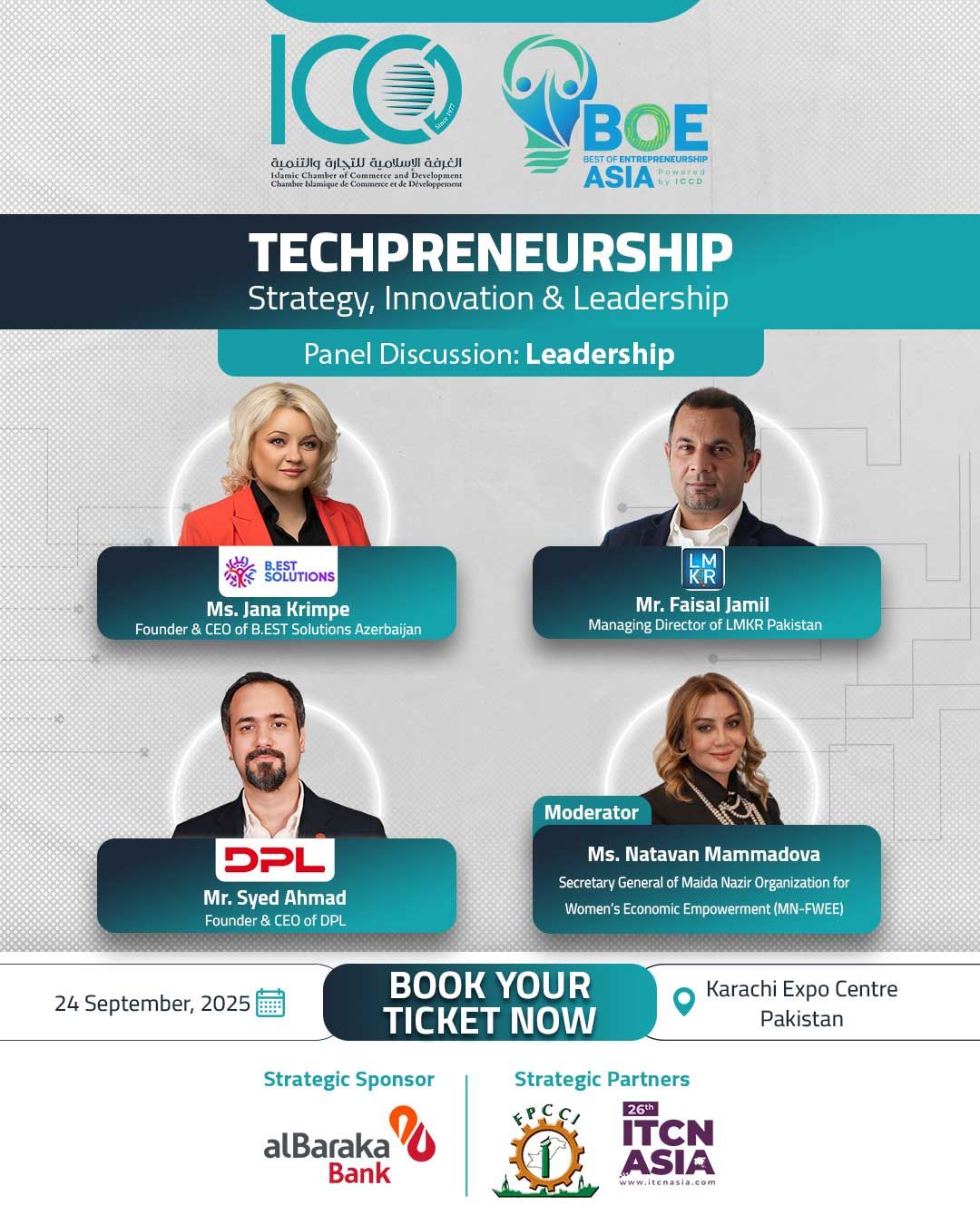
One of the highlight sessions of The Best of Entrepreneurship (BOE) Asia Series — a strategic platform — was “Panel 2: On Leadership”, featuring Jana Krimpe, CEO and Founder of B.EST Solutions, the national operator of the “Asan Imza” qualified mobile digital signature. She shared the stage with Faisal Jamil, Managing Director of LMKR (Pakistan) and Syed Ahmad, Founder & CEO of DPL, moderated by Natavan Mammadova, Lead of Women Economic Empowerment at ICCD. The discussion focused on leadership, innovation, and building resilient digital ecosystems in today’s rapidly evolving technology landscape.
In her remarks, Mrs. Krimpe presented the new generation eSIM-based Asan Imza (Mobile ID) solution, enhanced with cloud technology and post-quantum crypto-agile algorithms. Developed in partnership with the State Tax Service of Azerbaijan and mobile operators Azercell, Bakcell, and Nar, the solution represents the future of secure mobile identity.
She stated: “The eSIM innovation is a significant step forward — not only for technology but also for accessibility and sustainability. Unlike traditional SIM cards, eSIMs are built directly into devices, eliminating the need for plastic, packaging, and logistics. This makes activation easier, ensures higher security, and reduces environmental impact. With the new generation eSIM Asan Imza, we are enabling citizens to confirm their identity securely, access more than 2000 e-services, and provide legally binding digital signatures effortlessly.”
Mrs. Krimpe also highlighted that Asan Imza has already processed over 500 million digital transactions, underpinning 95% of Azerbaijan’s e-government services. The solution has saved hundreds of thousands of trees by replacing paper-based processes, proving that digital identity can accelerate economic growth, strengthen governance, and contribute to environmental sustainability. She also strengthened lessons from Estonia’s and Azerbaijan’s e-government journey: “The most important lesson is that political will and trust are more important than technology itself. Digital identity must be treated as a national infrastructure, like roads or electricity. Start small, deliver value with everyday services such as taxes and banking, and then expand step by step. That was Estonia’s start-up nation approach, and it is the model we followed to build Asan Imza.” The panelist also stressed the importance of transparency and accountability: “Trust is earned through open communication. Estonia’s famous ROCA ID card vulnerability showed that when governments respond with transparency, engage experts, and fix the issue openly, crises can be transformed into trust-building opportunities. Citizens must always see who uses their data, and governments must never hide problems.” By addressing the question of scaling solutions internationally, Mrs. Krimpe noted: “Trust isn’t something you can buy with marketing; it must be proven. In Azerbaijan, we processed hundreds of millions of secure transactions before ever exporting the model. Compliance with international standards and recognition from global organizations speak louder than words. We never position ourselves as just a vendor. Mobile ID is critical national infrastructure, so we act as a partner. That means designing systems where we, as a provider, never access personal data, and handing over competence to local institutions so they can run and grow independently. We don’t just export code; we share a proven model of collaboration, resilience, and 15 years of daily operational expertise.”
As the Founder of “Femmes Digitales” – “Supporting Women in Tech” Public Union, Mrs. Krimpe emphasized the unique qualities women bring to technology leadership: “Women bring collaboration, empathy, and resilience. They don’t just build apps or systems; they build ecosystems, inclusive spaces where every voice is heard and no one is left behind. Women naturally think about the next generation, not just the next quarter. That focus on sustainability makes their leadership transformative.”
The ITCN Asia 2025 conference gathered regional and international leaders, including H.E. Eng. Sami Smeirat, Minister of Digital Economy and Entrepreneurship of Jordan, and H.E. Senator Khalil Al-Haj Tawfiq, Chairman of the Jordan Chamber of Commerce, who stressed the role of technology as a core enabler of sustainable economic development. Their insights, along with contributions from global entrepreneurs and policymakers, underlined the importance of innovation and leadership in driving digital transformation across borders.
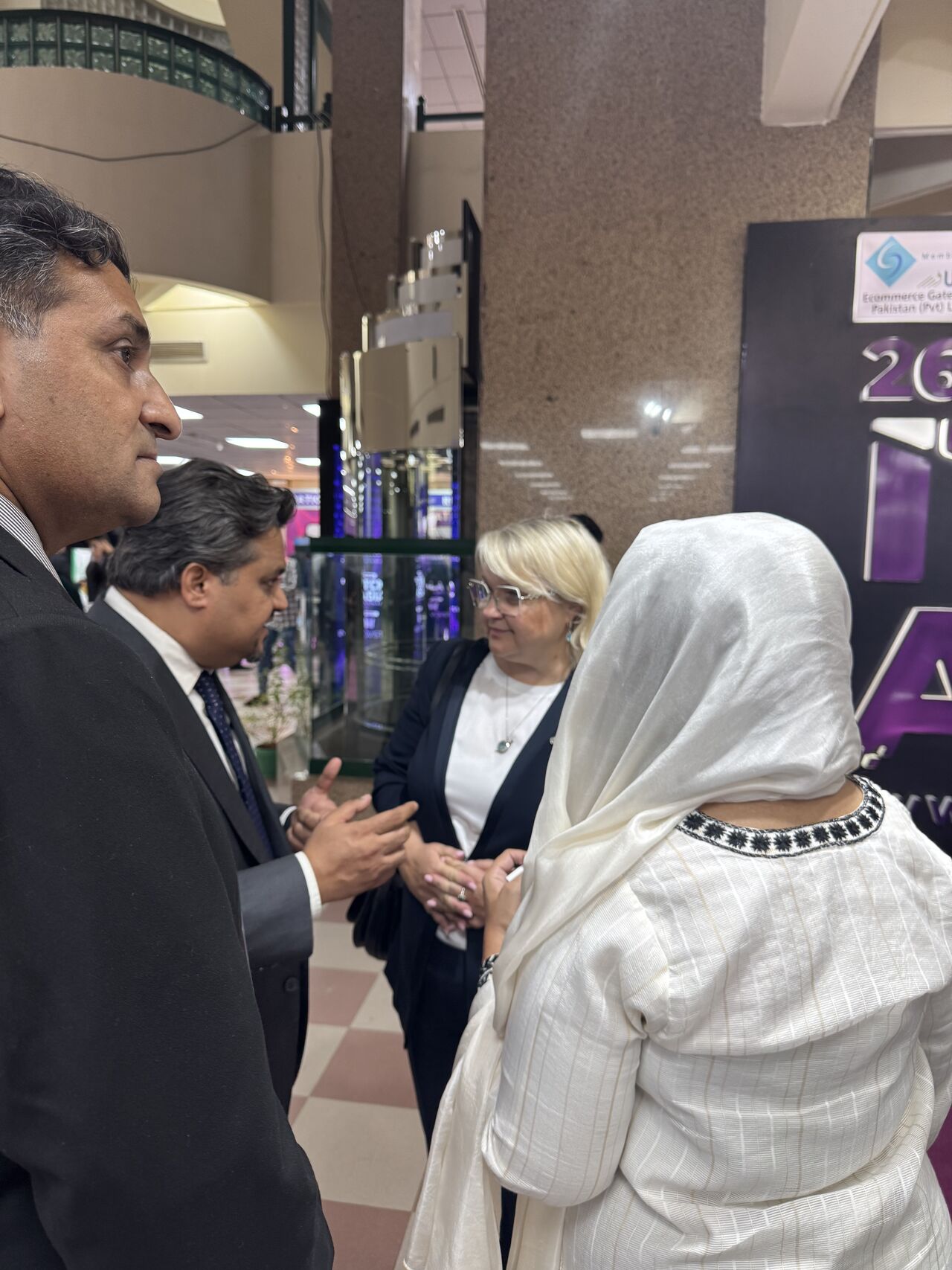
The three-day program provided a dynamic platform for fostering new partnerships between Azerbaijan and Pakistan, and the wider region, further advancing the mission of building secure, trusted, and inclusive digital societies powered by next-generation solutions.